
Worm Time Dialogues
The Worm Time Dialogue workshop series began with Spring Equinox 2025, and has continued to offer an invitation to attune to the rhythms and cycles of nature, and explore relationship to time through the power of Bohm dialogue and the Wheel of the Year.
Tickets available on Dandelion.


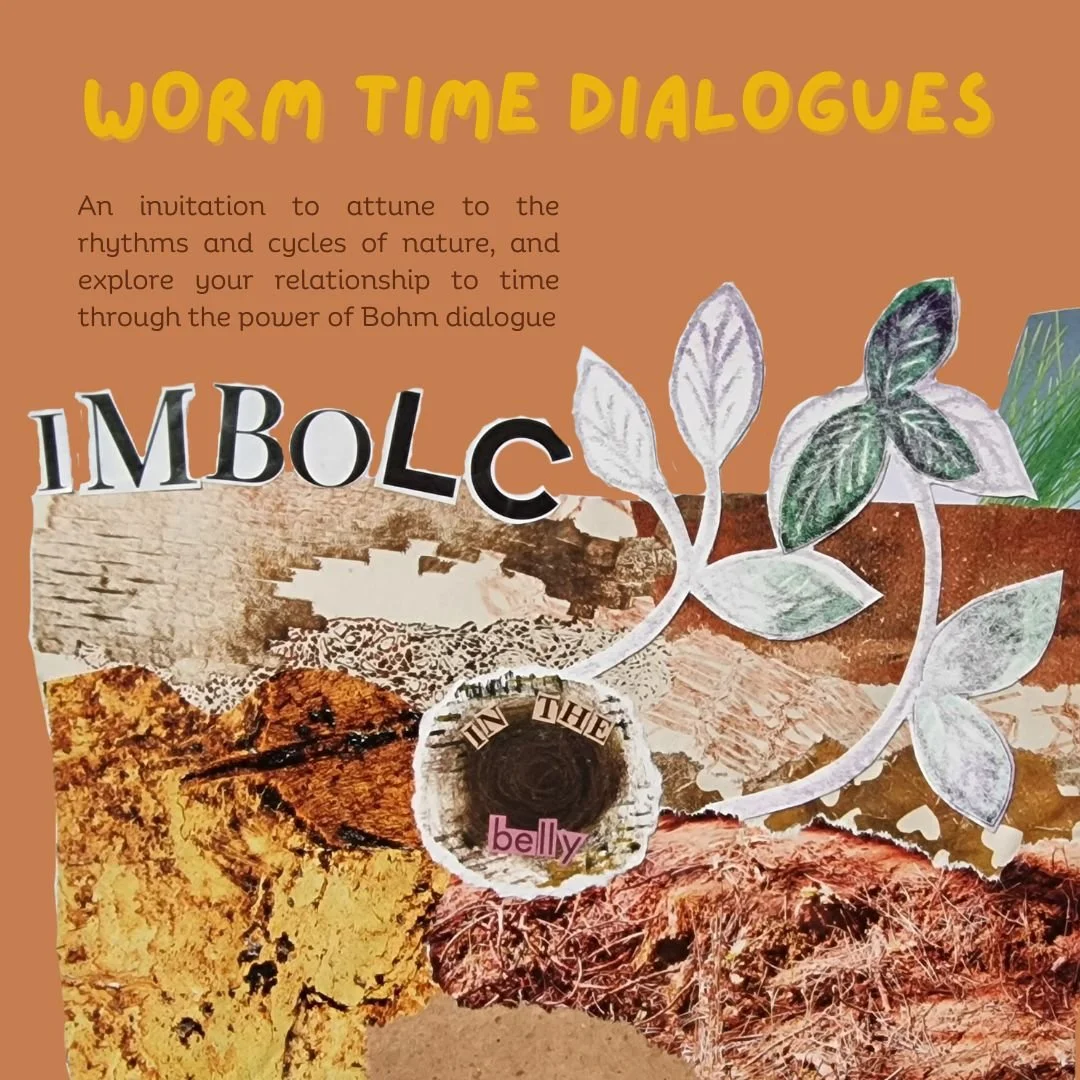
What is a Worm Time dialogue? - These workshops are an invitation to slow down, listen, reflect, share and connect with yourself, others and the world around you. It is grounded in the principles and practice of Bohm Dialogue - a facilitated listening practice that allows individuals to develop communication, thinking and relating skills and groups to deeply enquire together, share meaning and create new thinking. It combines this with the emergent philosophy of 'Worm Time.'
Worm Time, formerly known as ‘doing nothing,’ is a period of creative rest, where we can
-metabolise our experiences
-compost our thoughts and feelings
-turn over new ideas
Like the magically complex world that exists in the soil under our feet, allowing ourselves creative rest, is the time for the invisible ‘work’ to take place. The integration of our outer and inner worlds. Worm Time Dialogues draw inspiration from the wheel of the year, and the energy and wisdom available to us at each of the eight points and four seasons. Together we explore what we can learn and experience by paying attention to nature's rhythms. Worm Time Dialogues cultivate creative and emergent thinking and community connection, and provide ways to activate the personal agency and collective resilience needed to find hope and shared meaning in our current times.


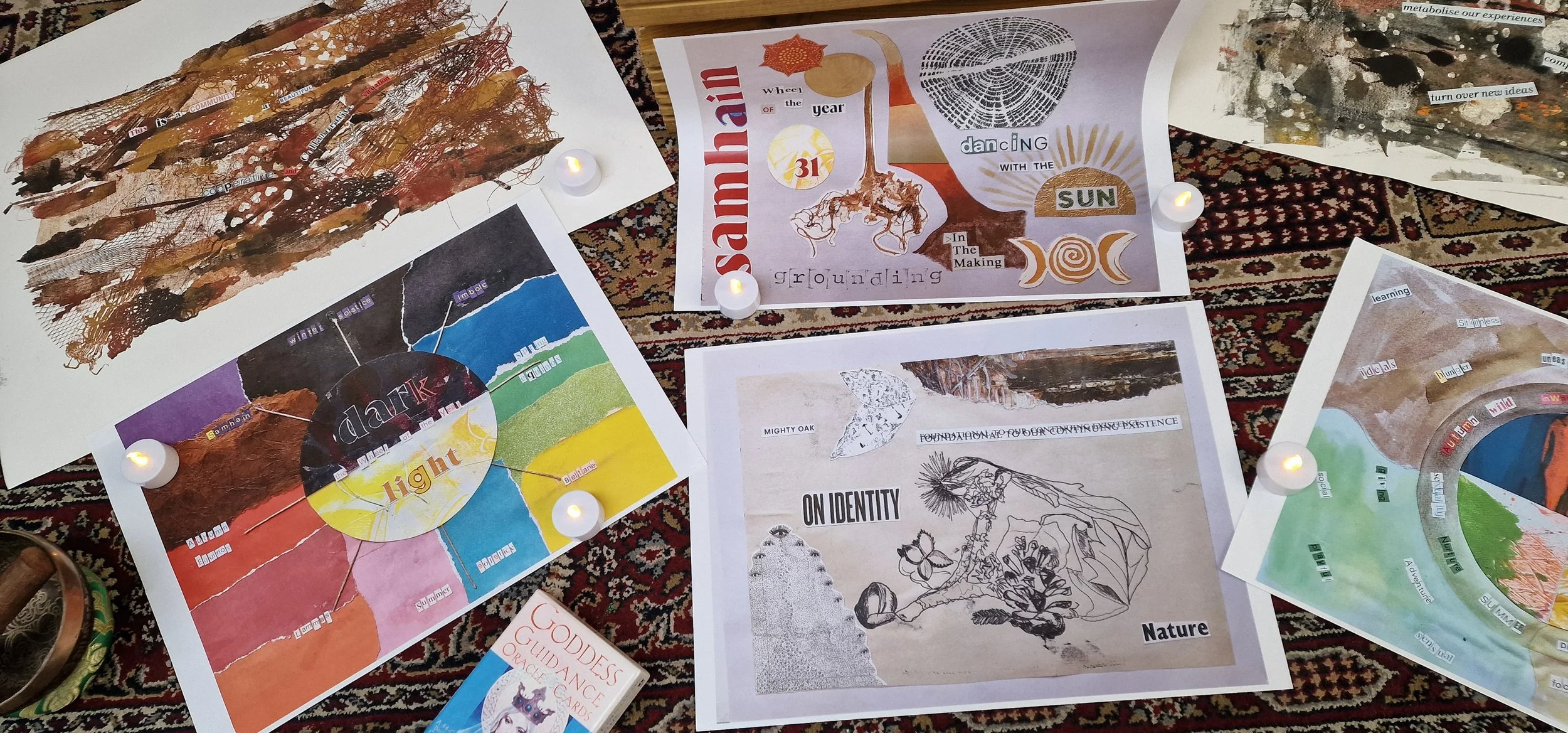

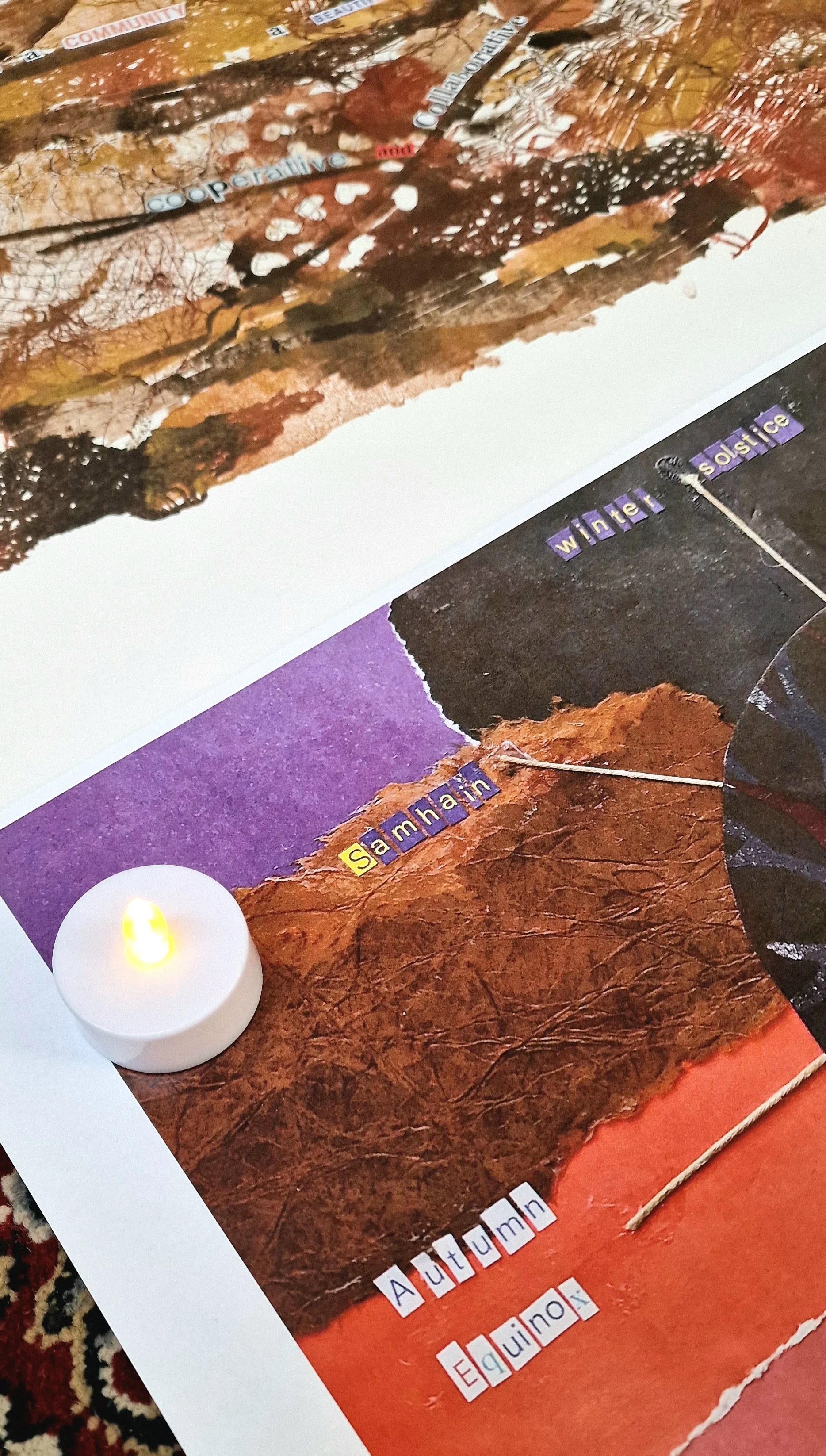

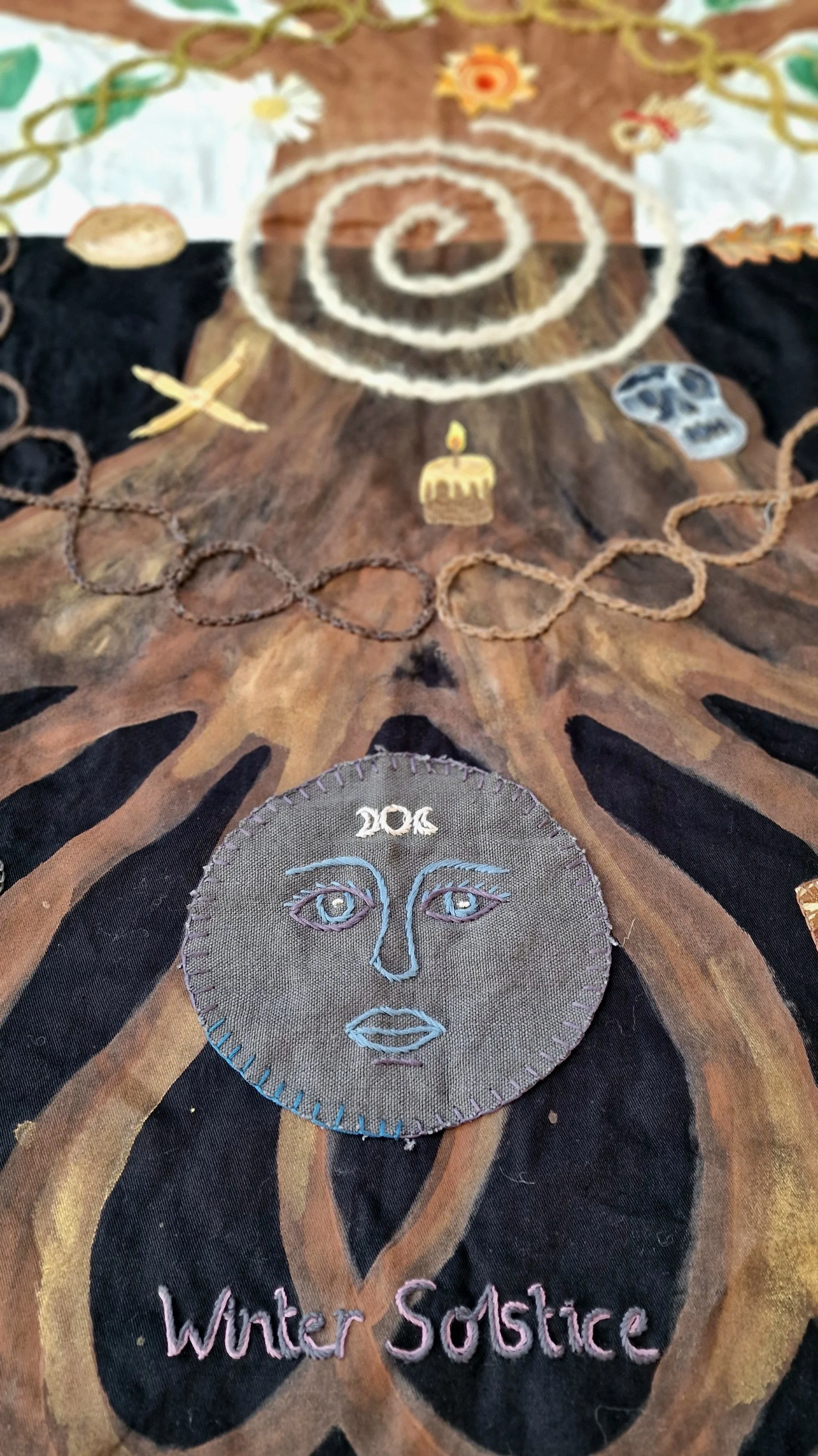
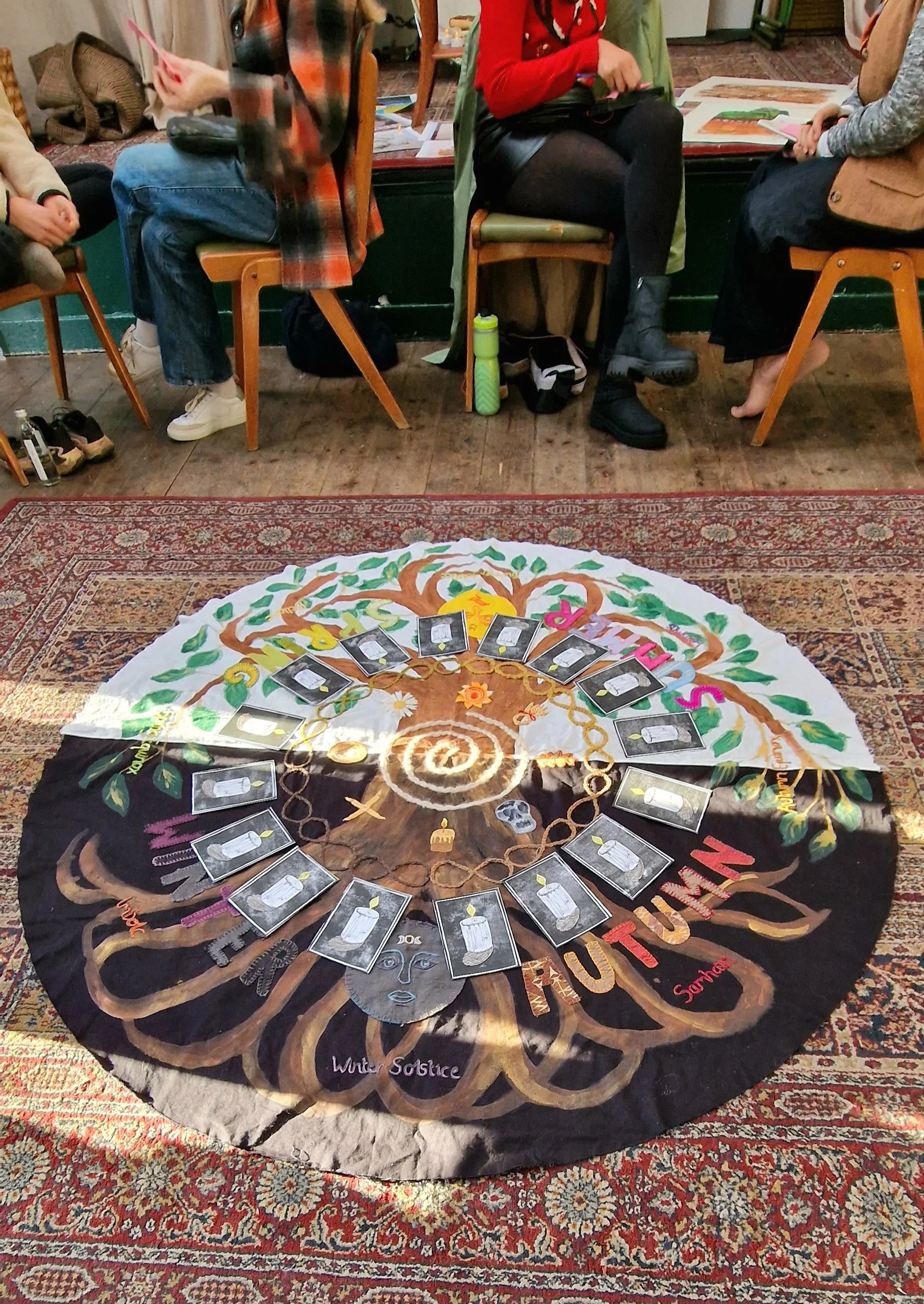
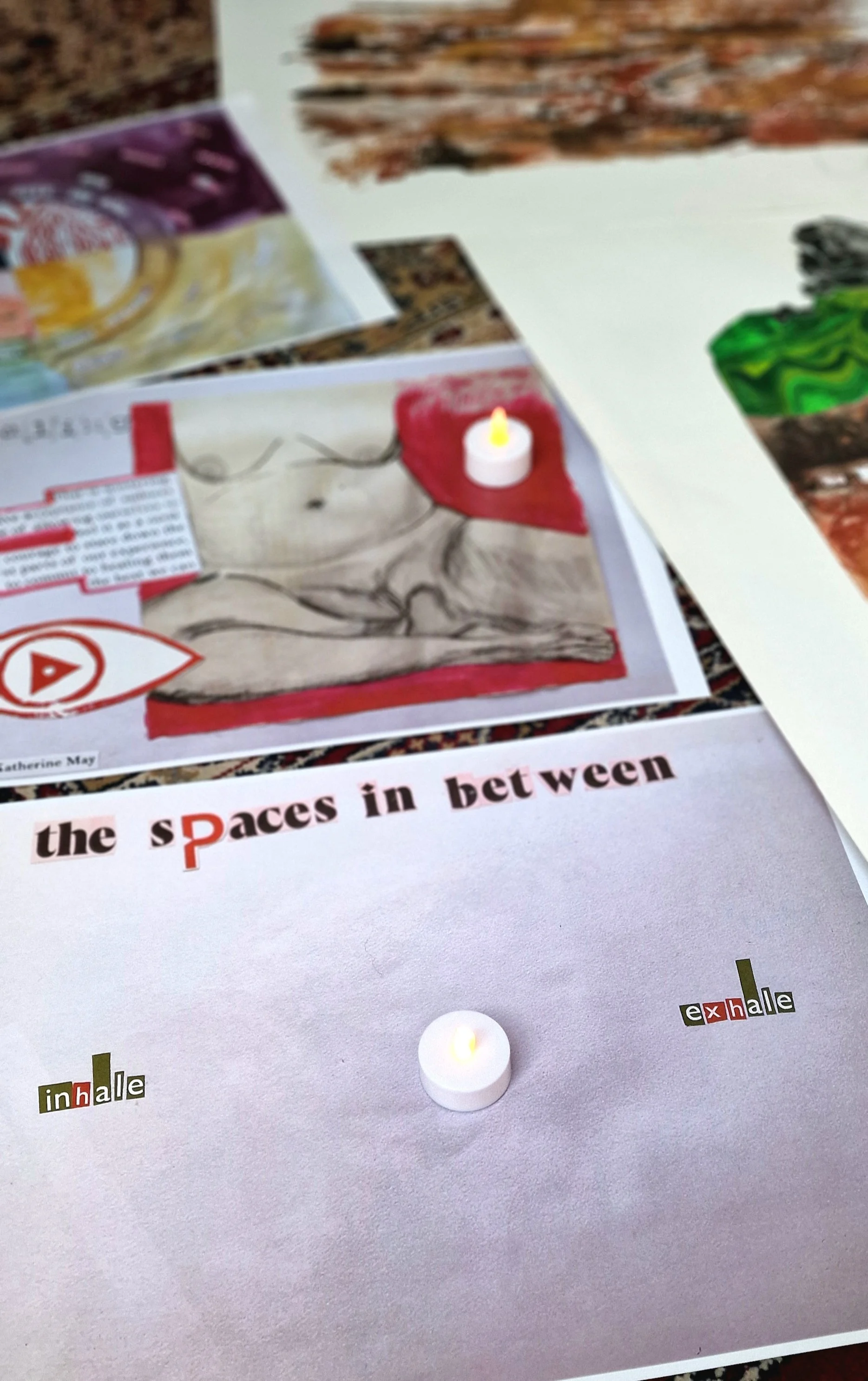
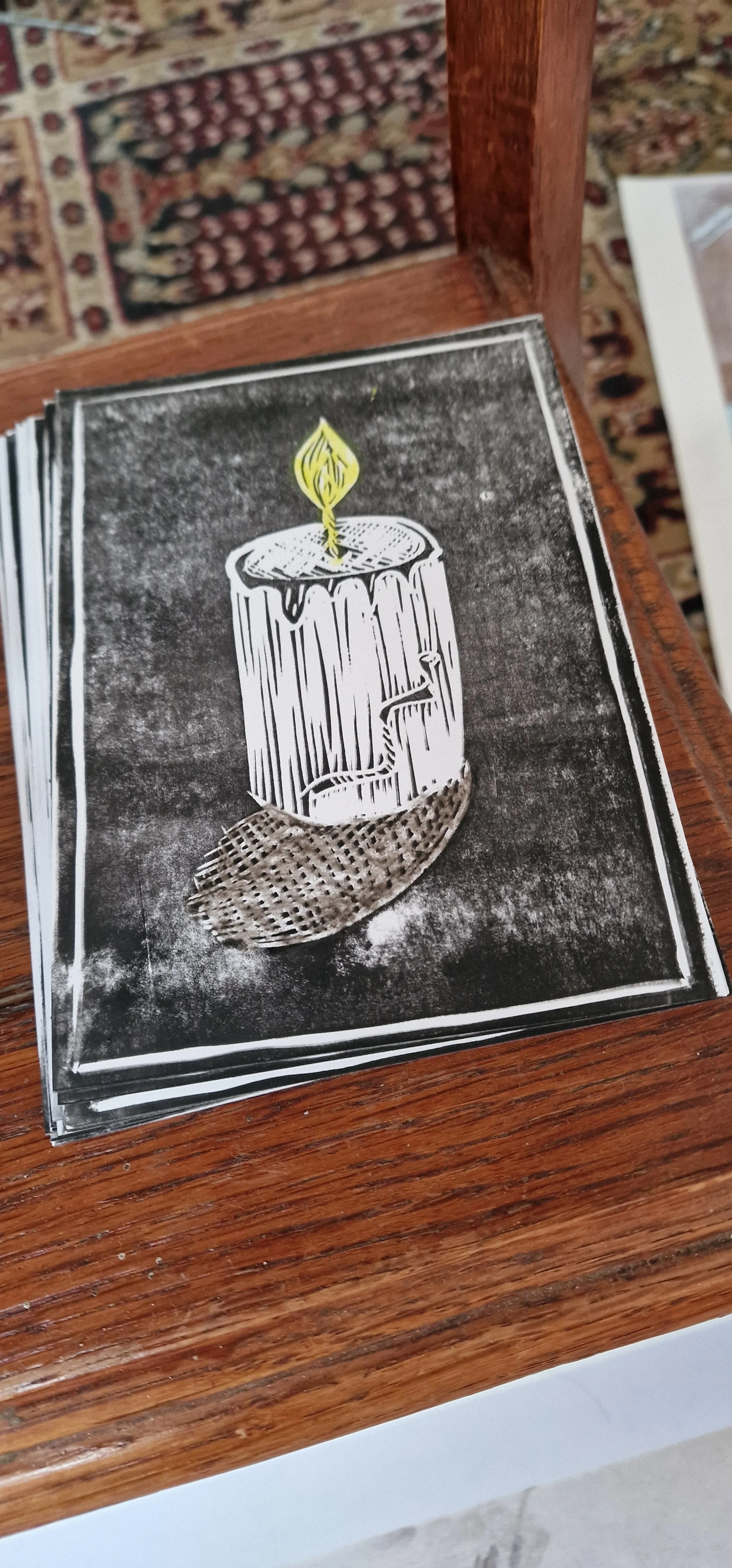
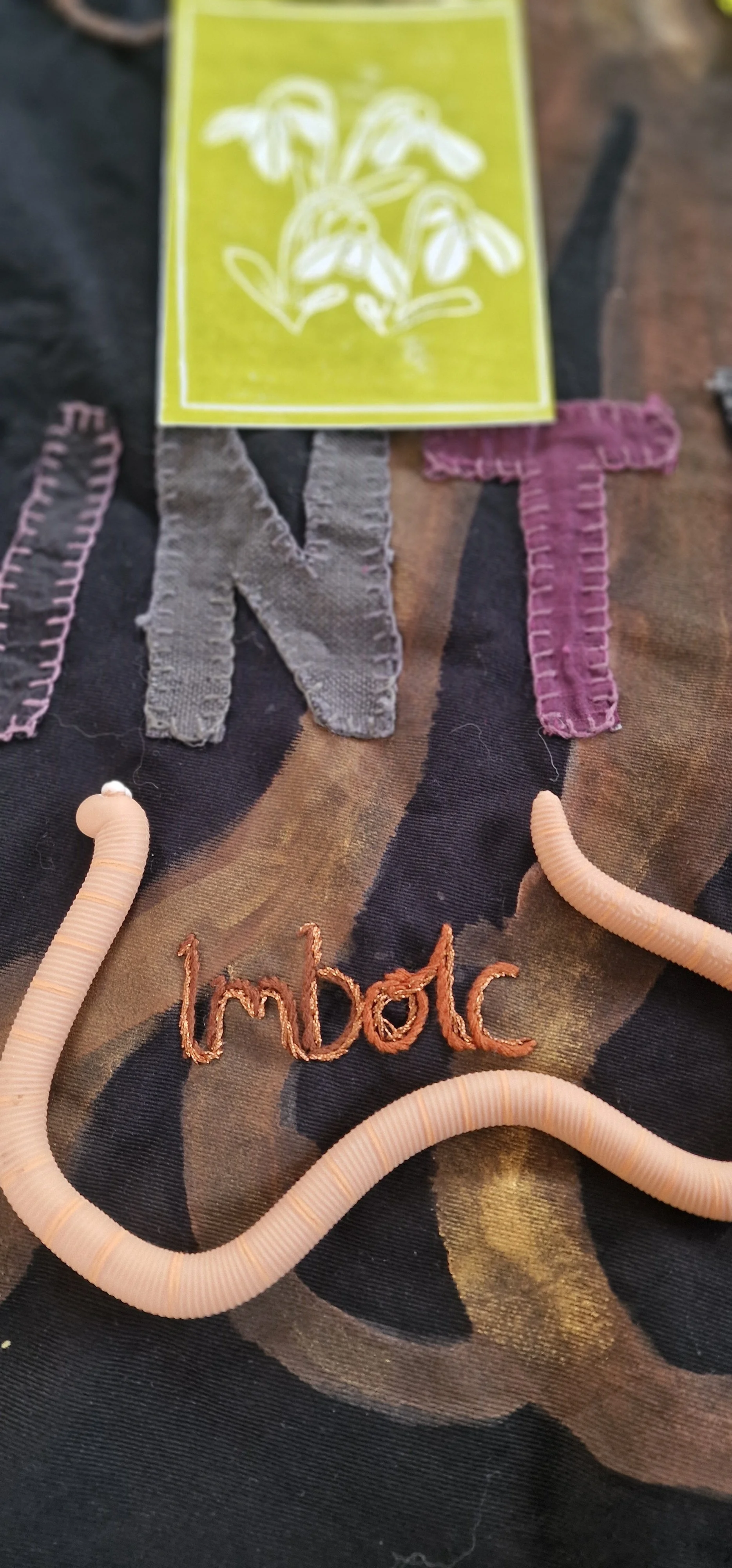
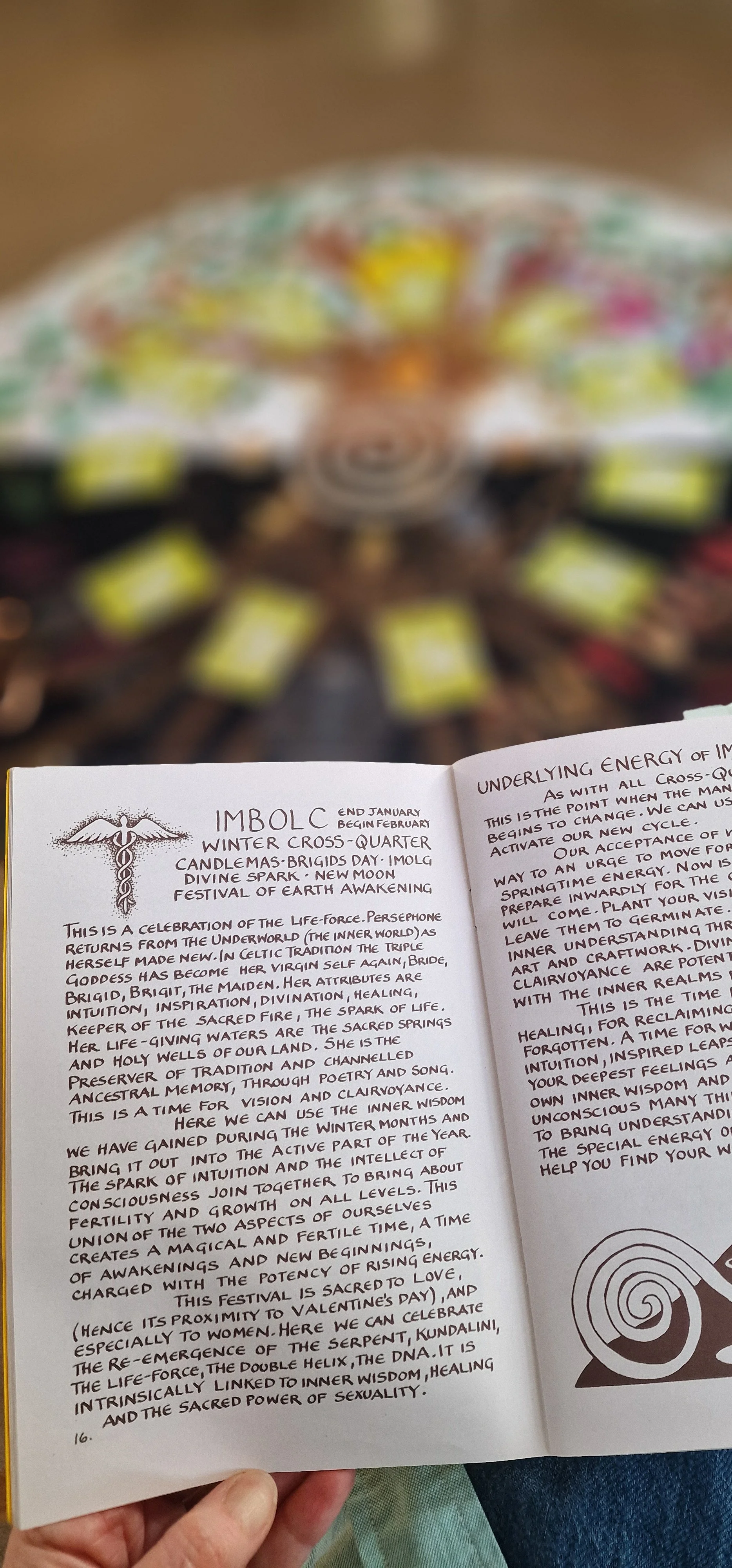
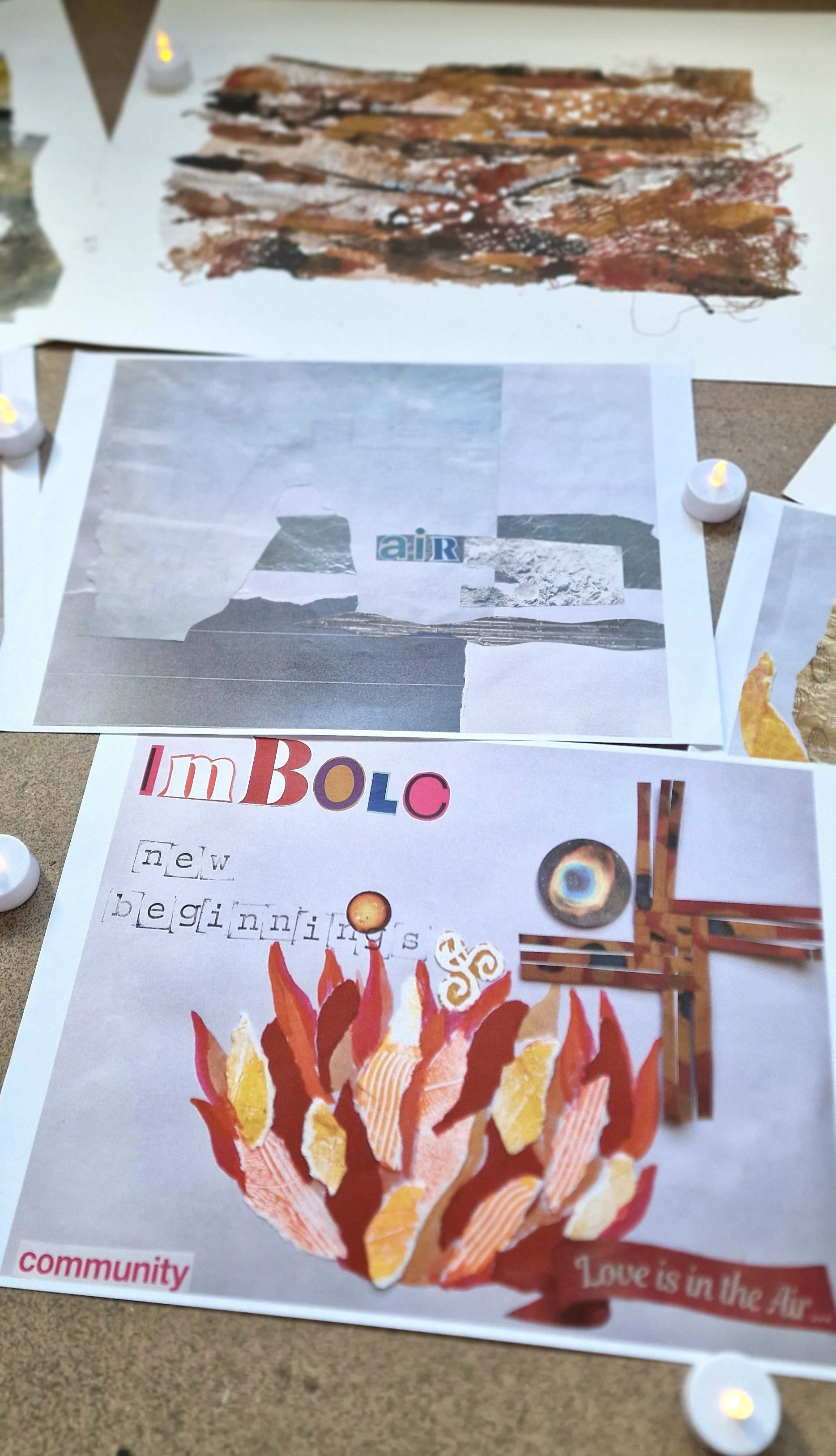
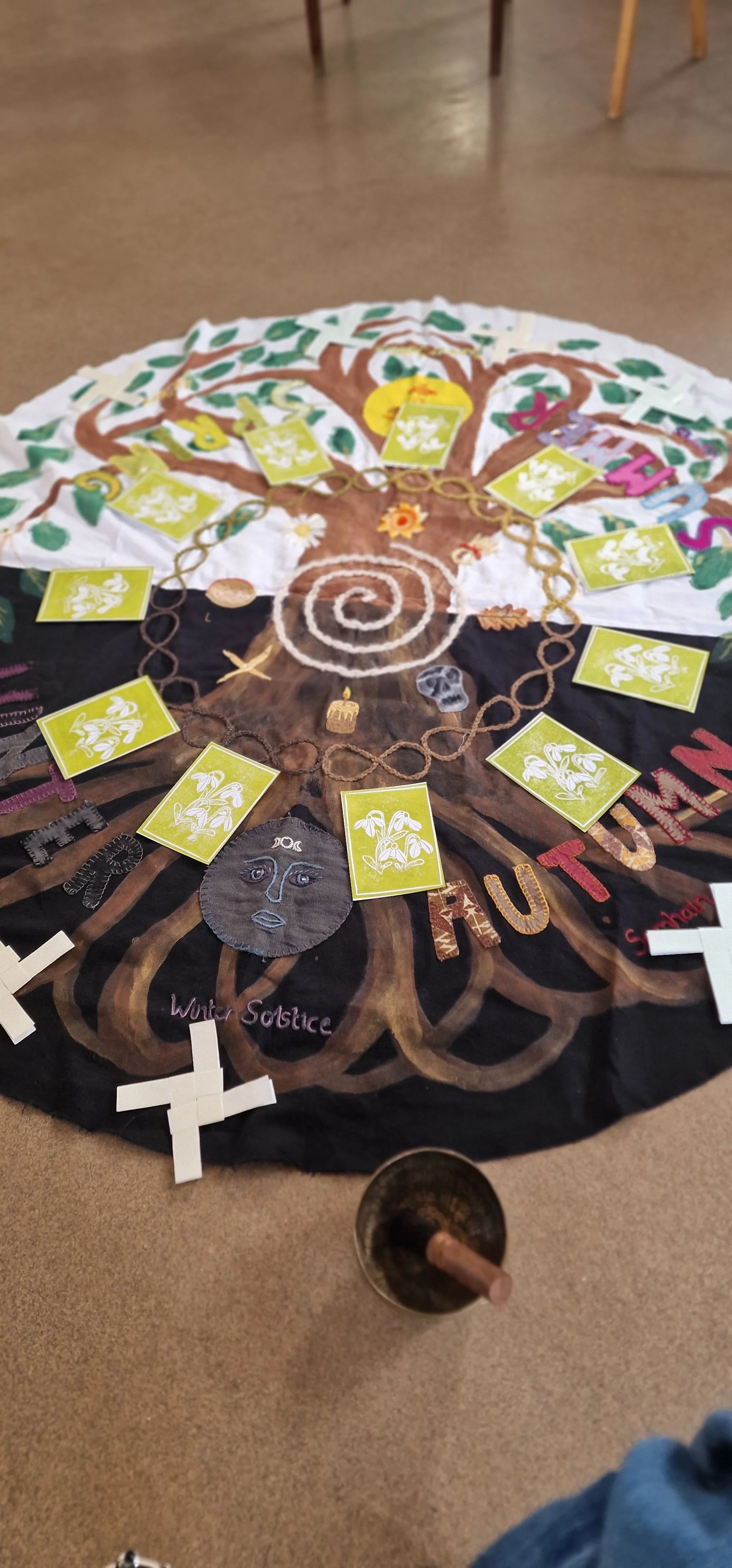
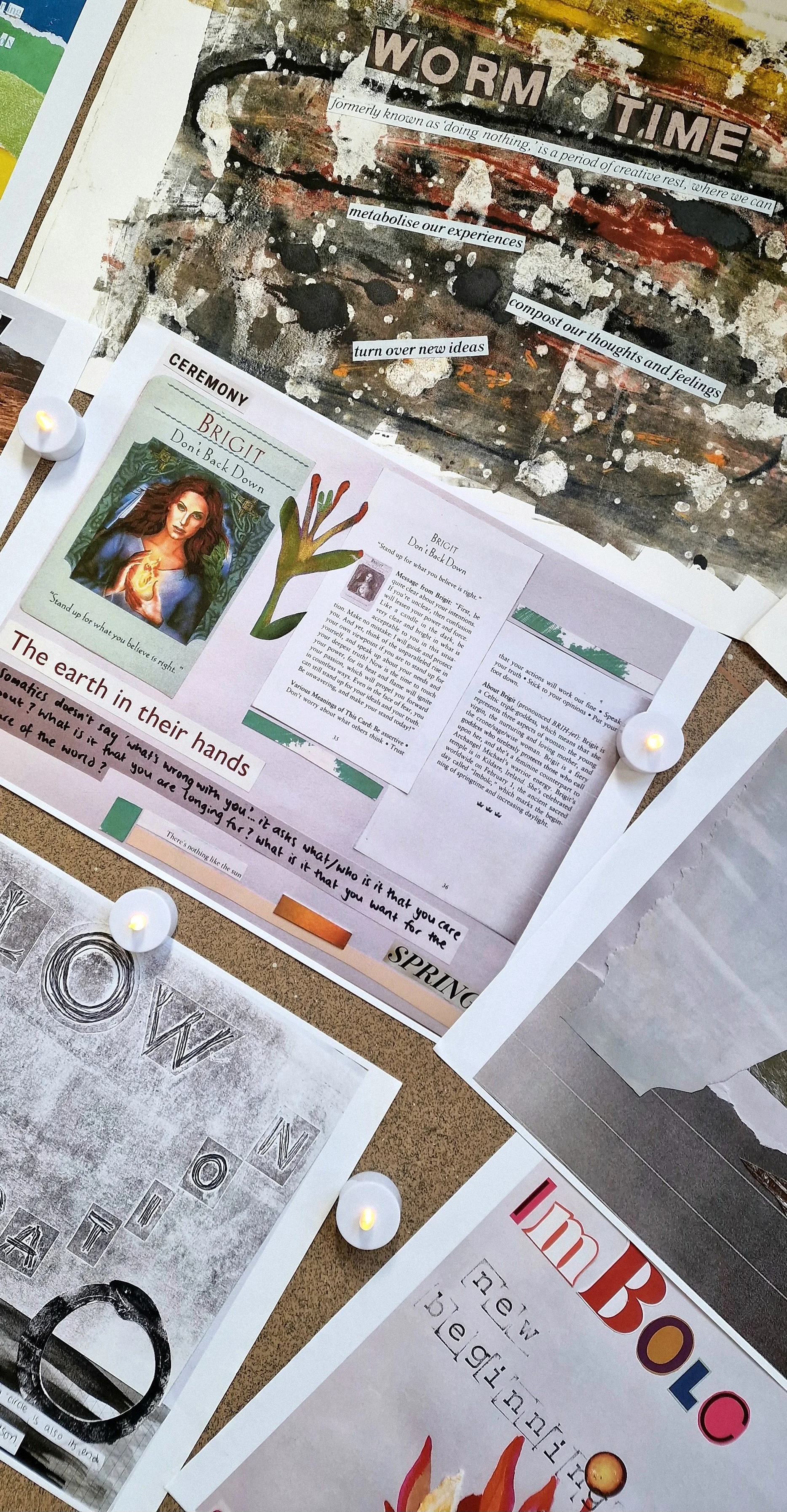
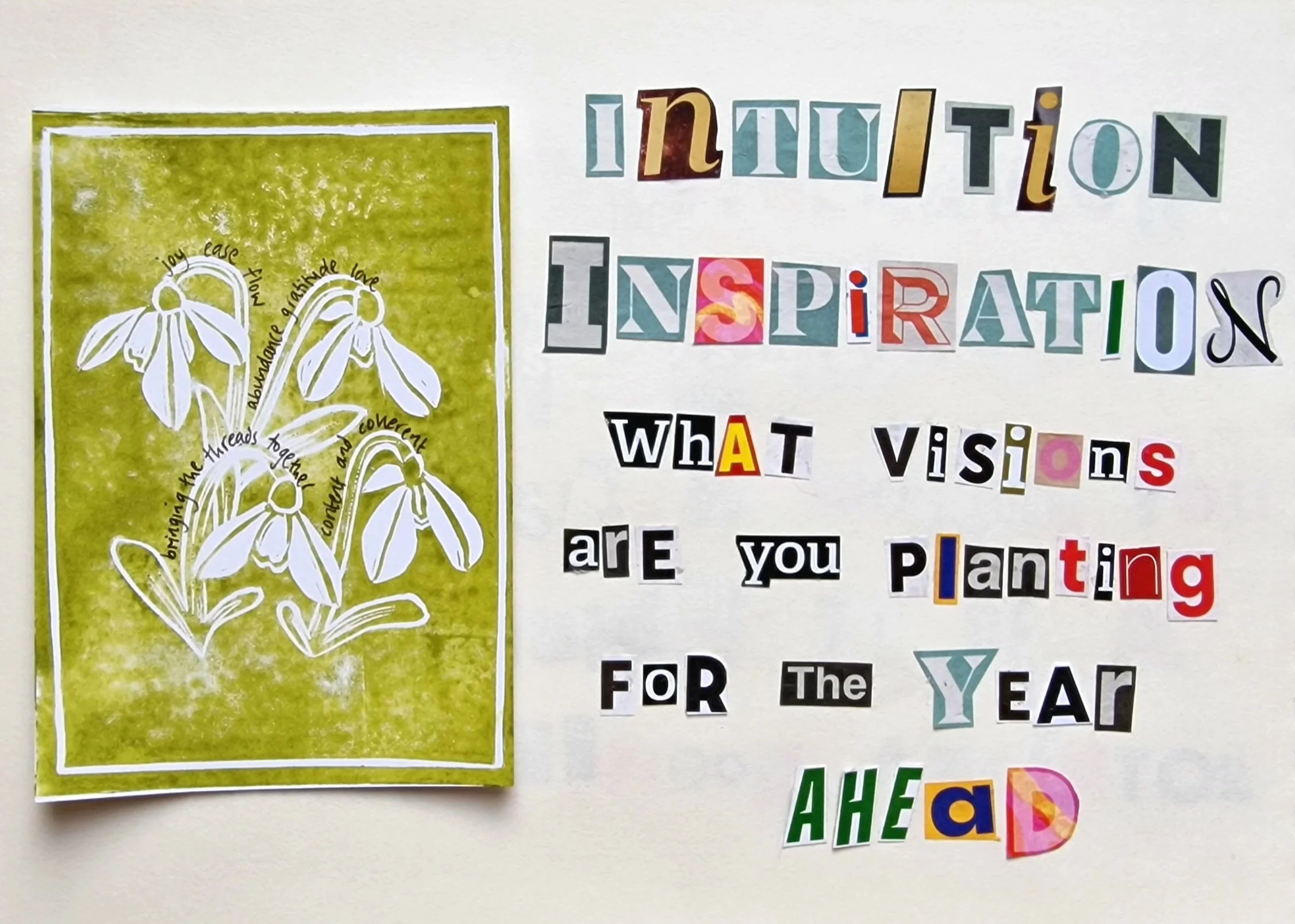
Each Worm Time Dialogue is framed by simple exercises designed to cultivate curiosity and stimulate deeper thinking on universal experiences and feelings that can be explored in more depth during the dialogue. These often take the form of word associations and listening in pairs. Some examples of these points of co-inquiry can be found below.
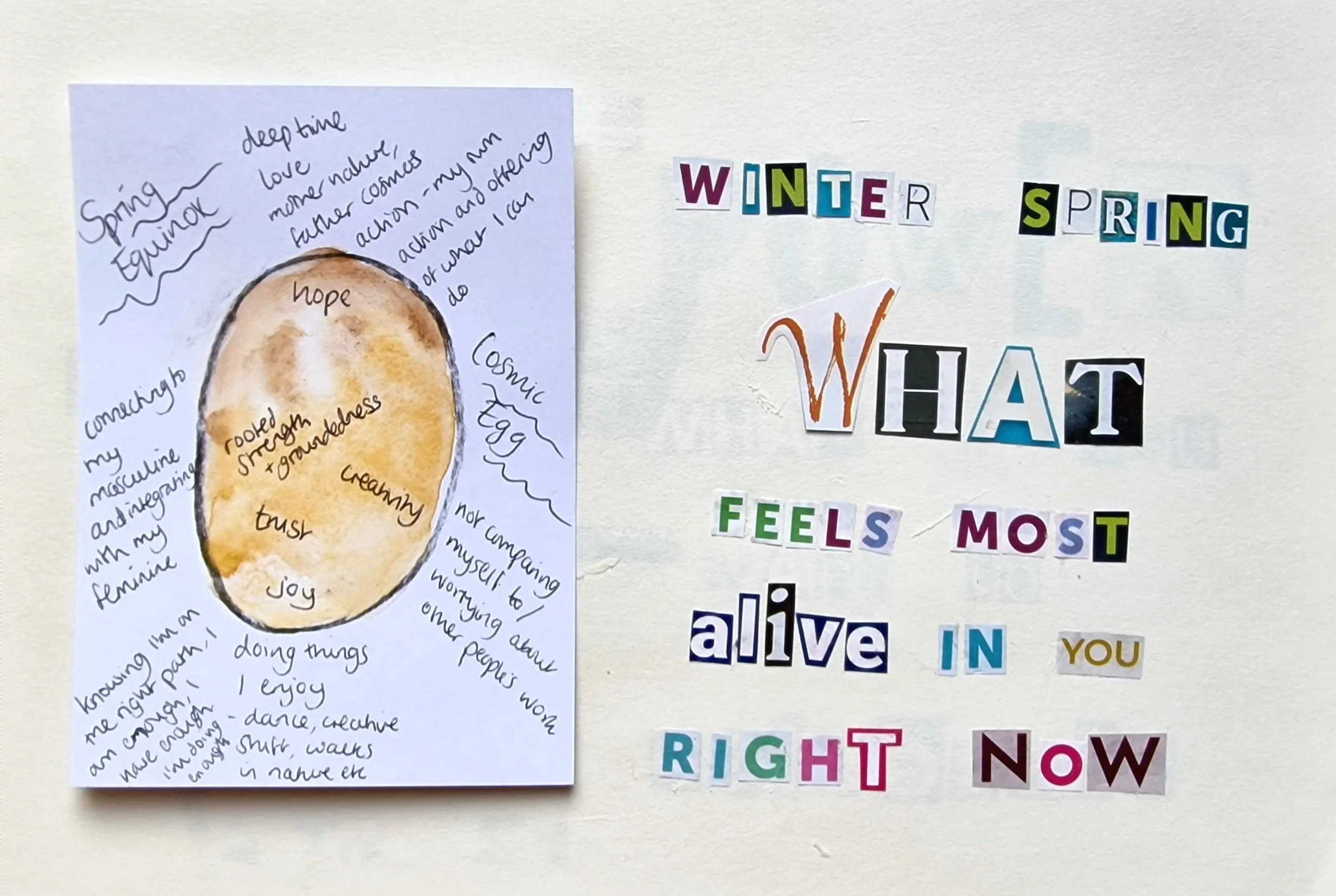
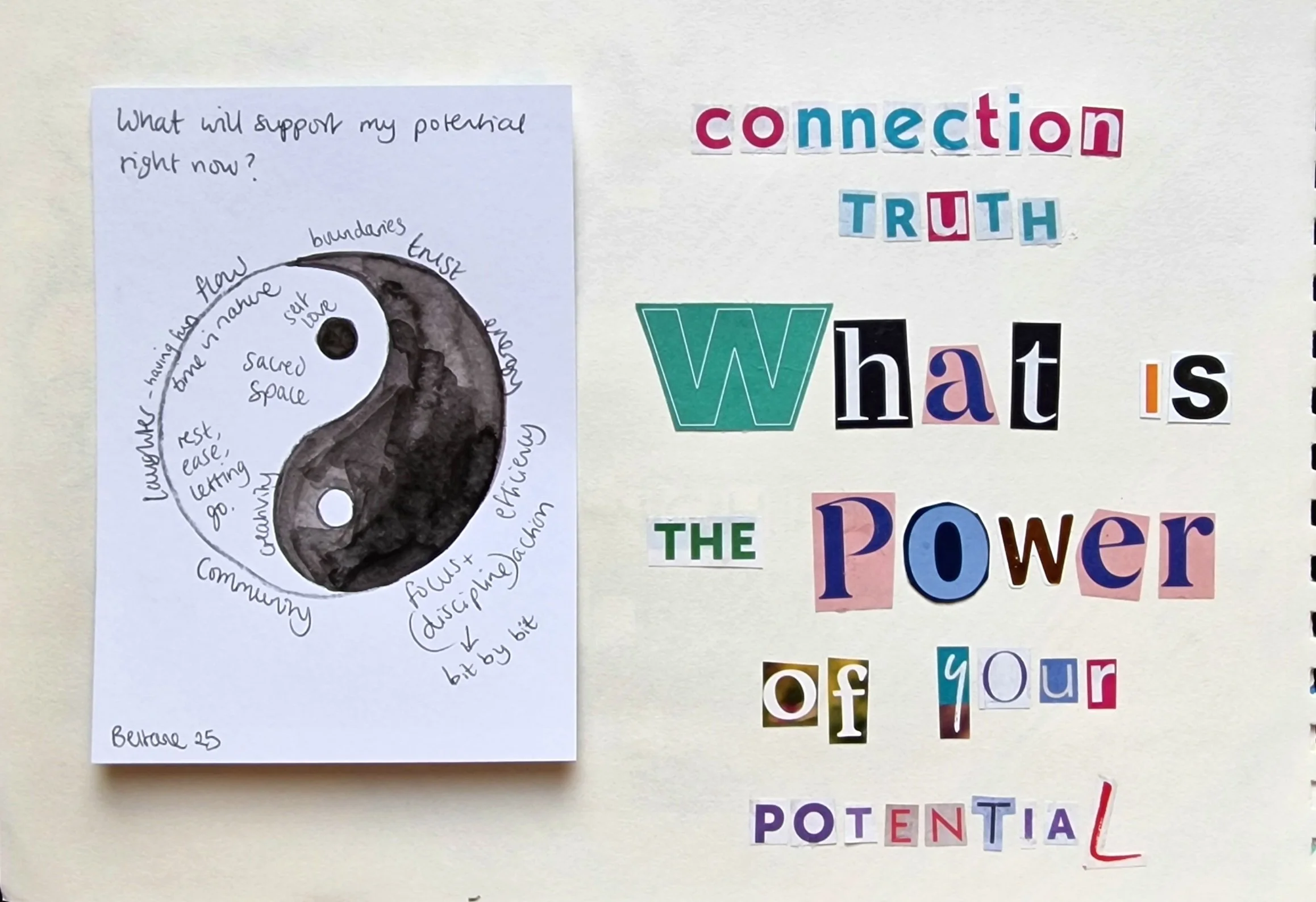
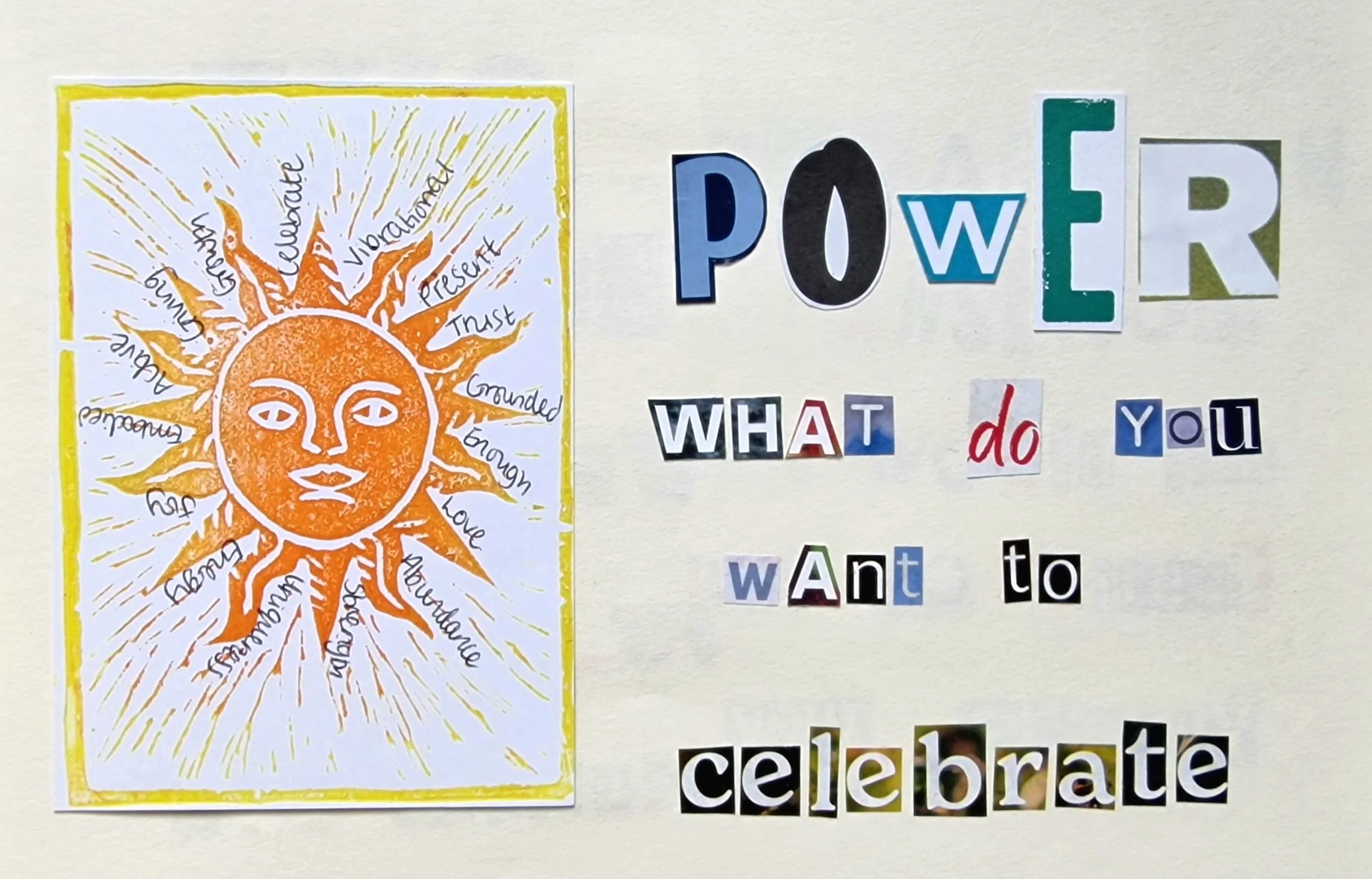
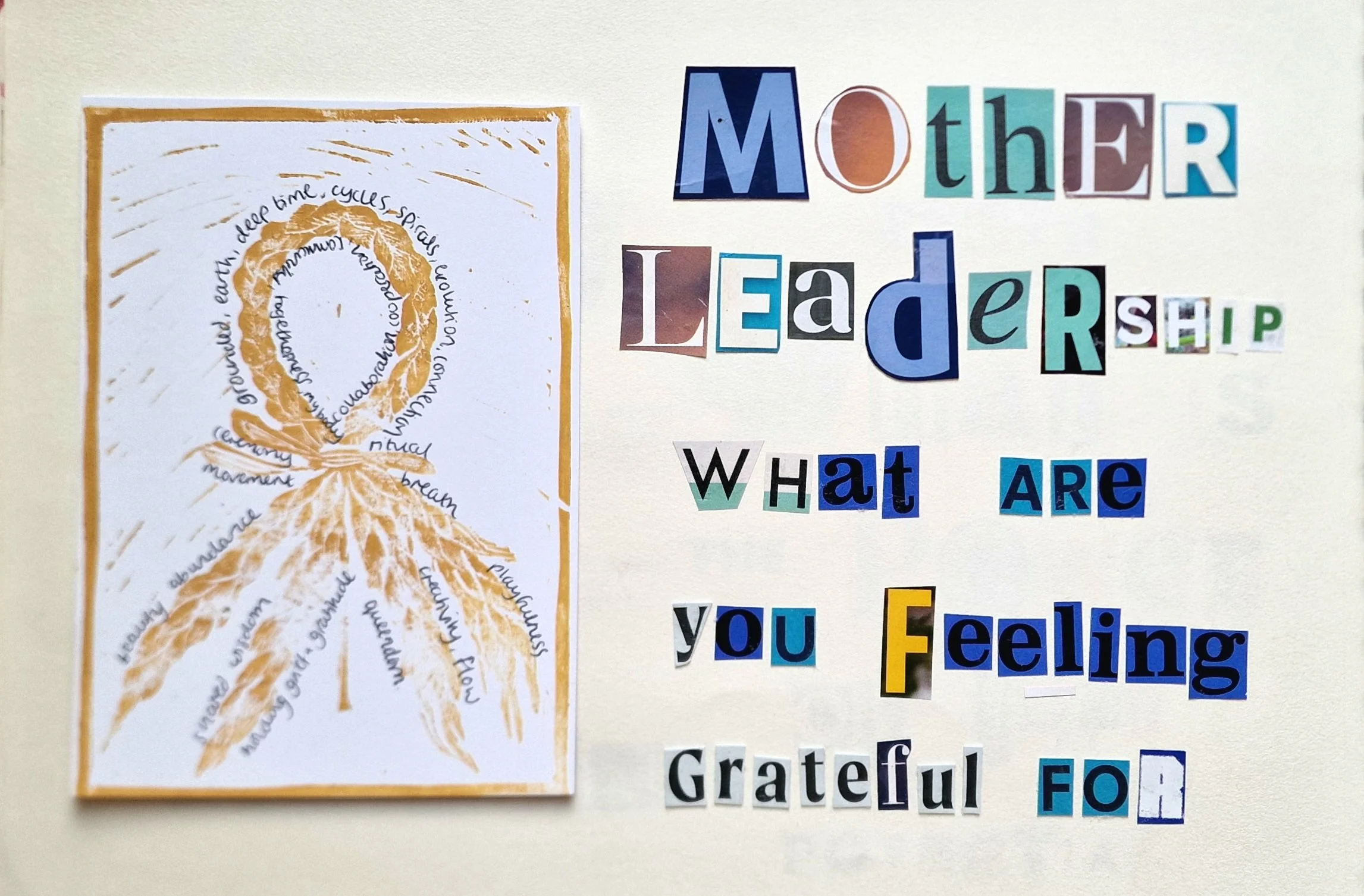
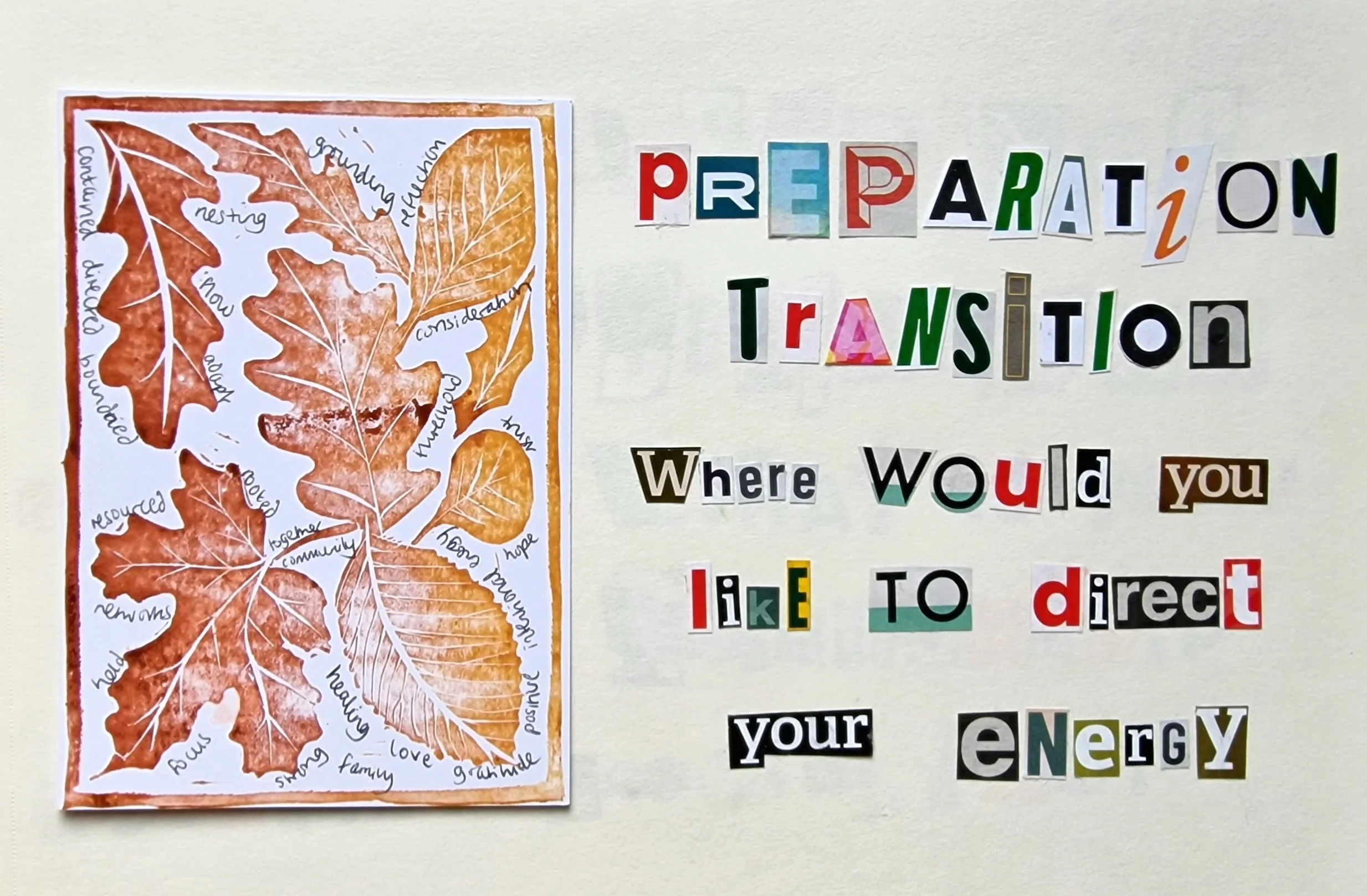
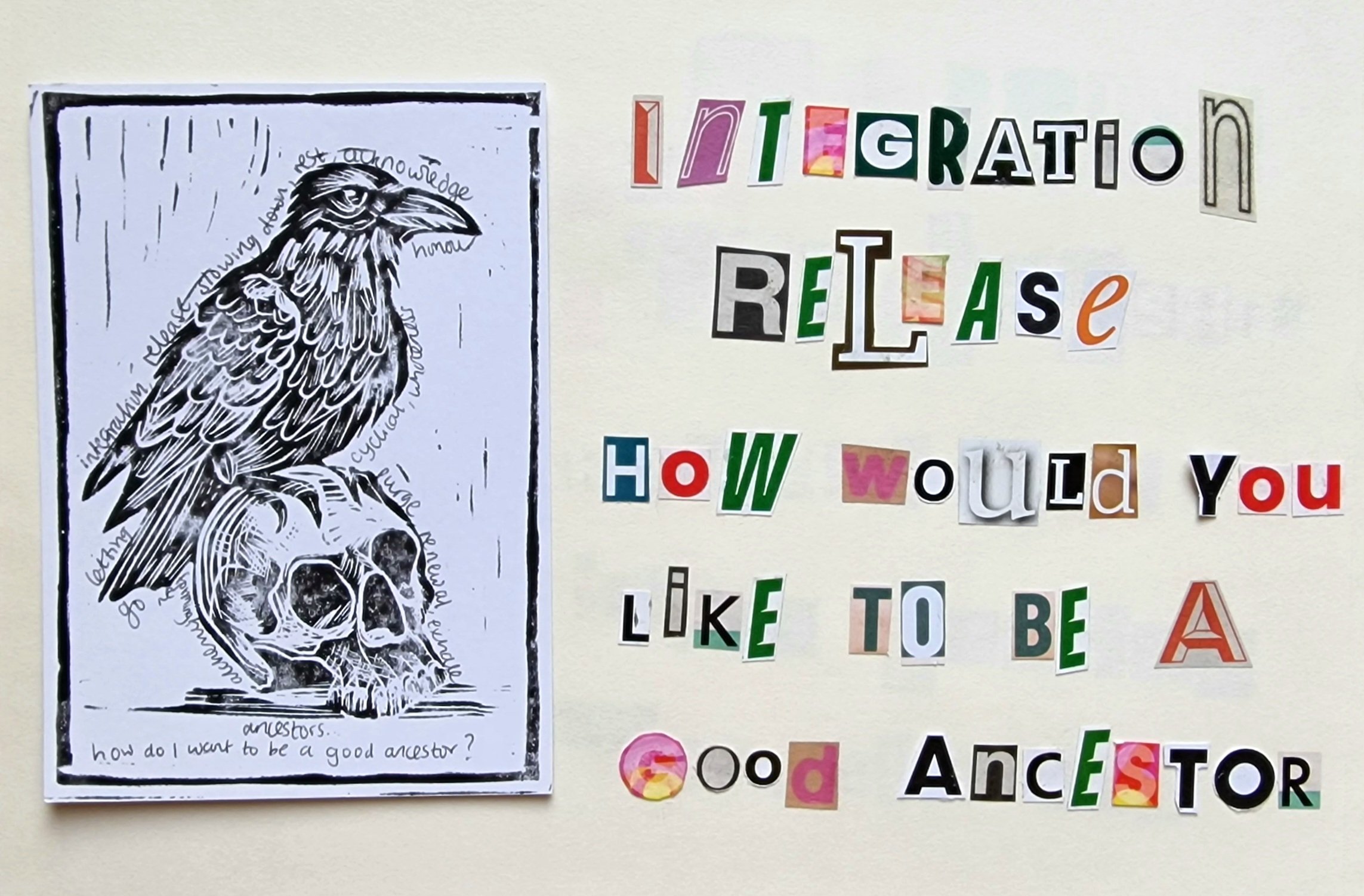
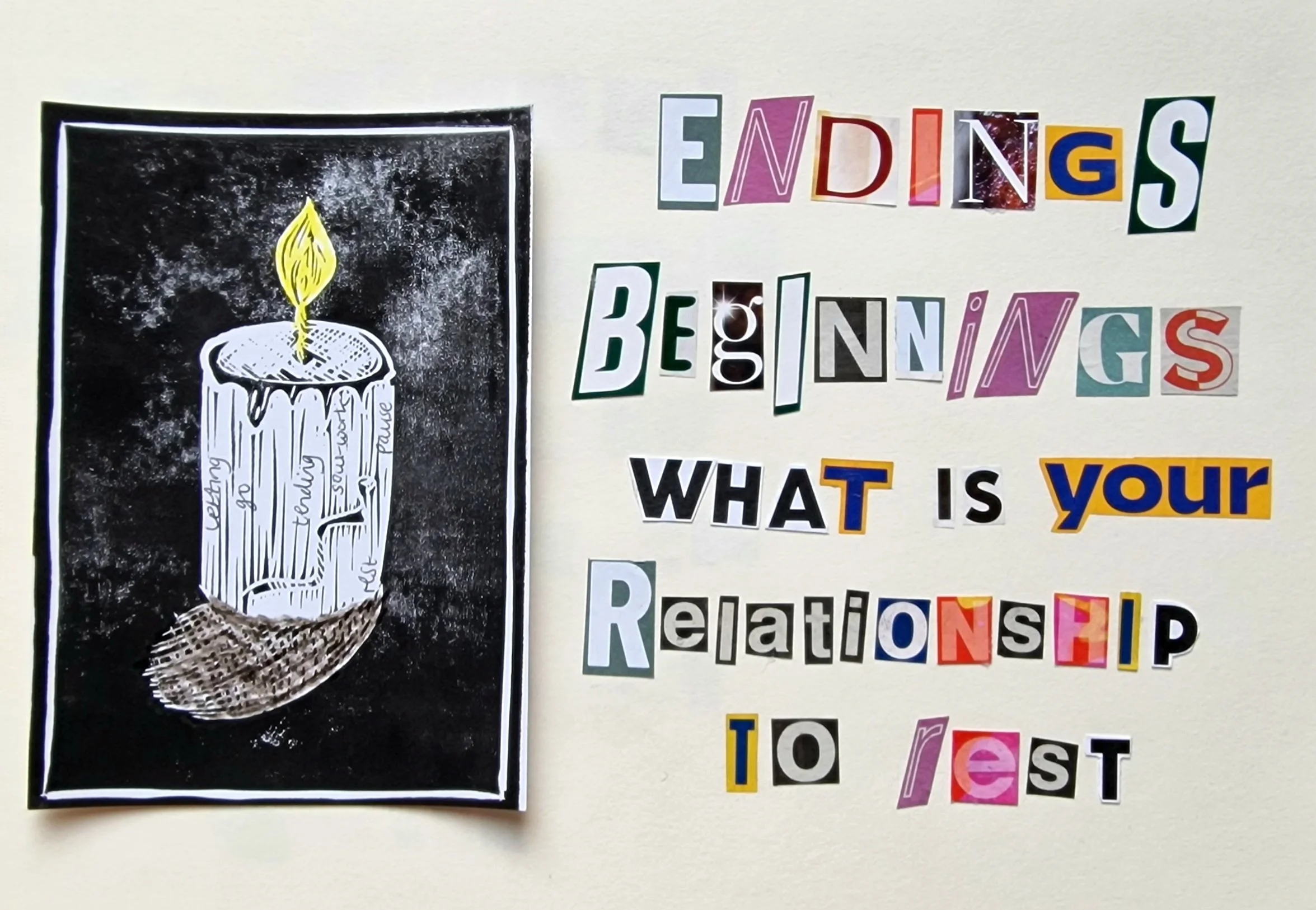
The dialogue itself is practised in a circle: creating an inclusive and non-hierarchical space. The process requires deep listening that allows for inquiry into what is important to individuals and the group. Participants are not required to speak unless they feel moved to do so; the group will follow the ‘flow of meaning’ and moments of silence are welcome. Dialogue does not require agreement during the process or specific outcomes. However, it does require a willingness to participate with respect, openness and non-judgement.